The Number on the Spec Sheet Isn't Marketing Filler
Hold a 16mm paddle in one hand and a 14mm in the other and you'll feel the difference before you hit a single ball. That two-millimeter gap changes how the paddle absorbs contact, how long the ball stays on the face, and how much effort you need to generate pace. It's small on paper. It's not small at the net.
I've spent the last few seasons switching between both thicknesses depending on who I'm playing, and the adjustment is real every single time. Here's what actually changes.
Feel and Feedback: Soft vs. Poppy
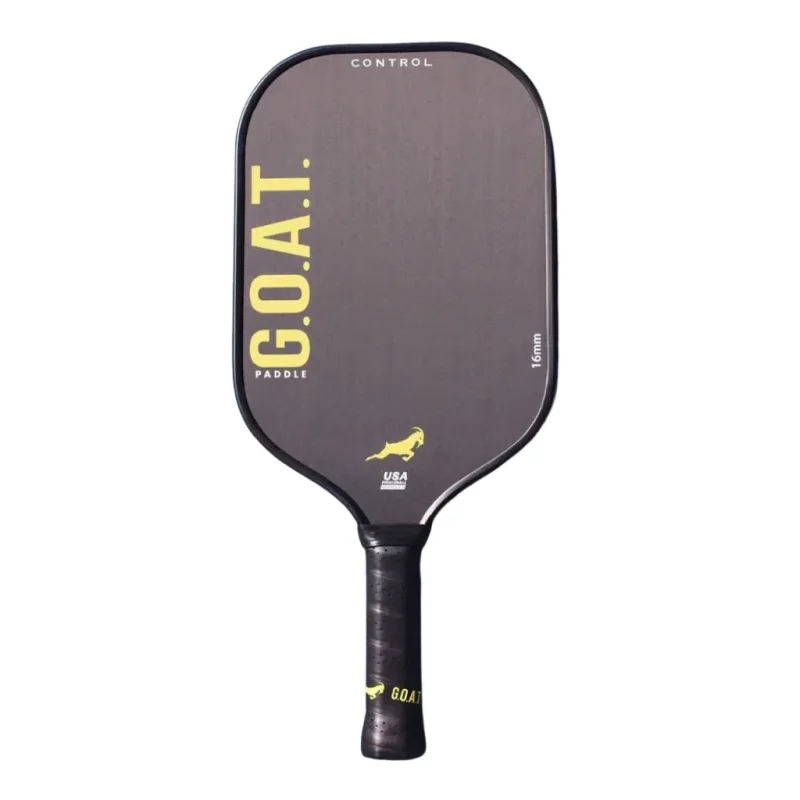
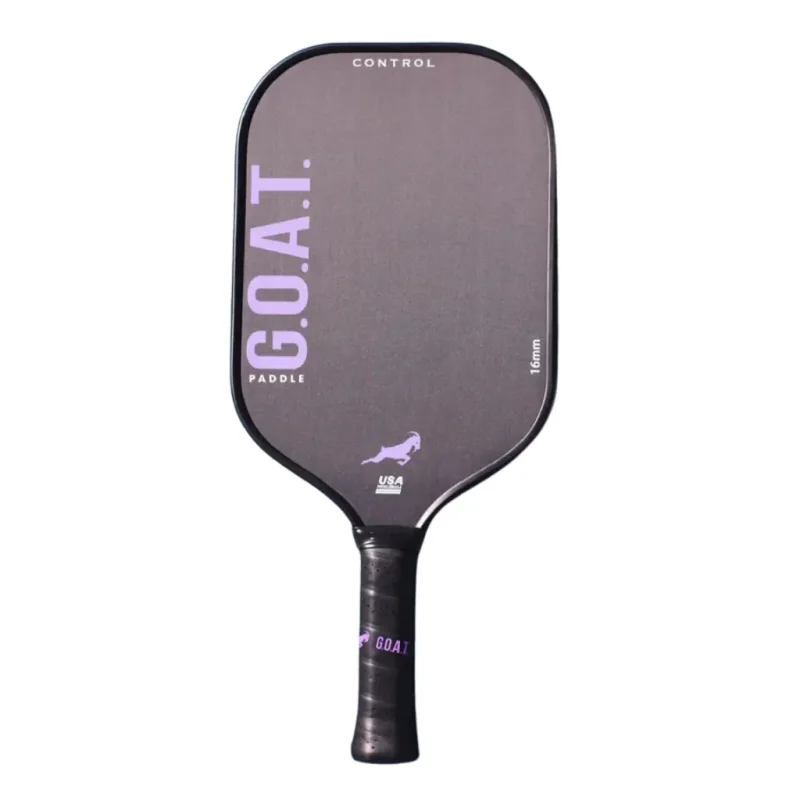
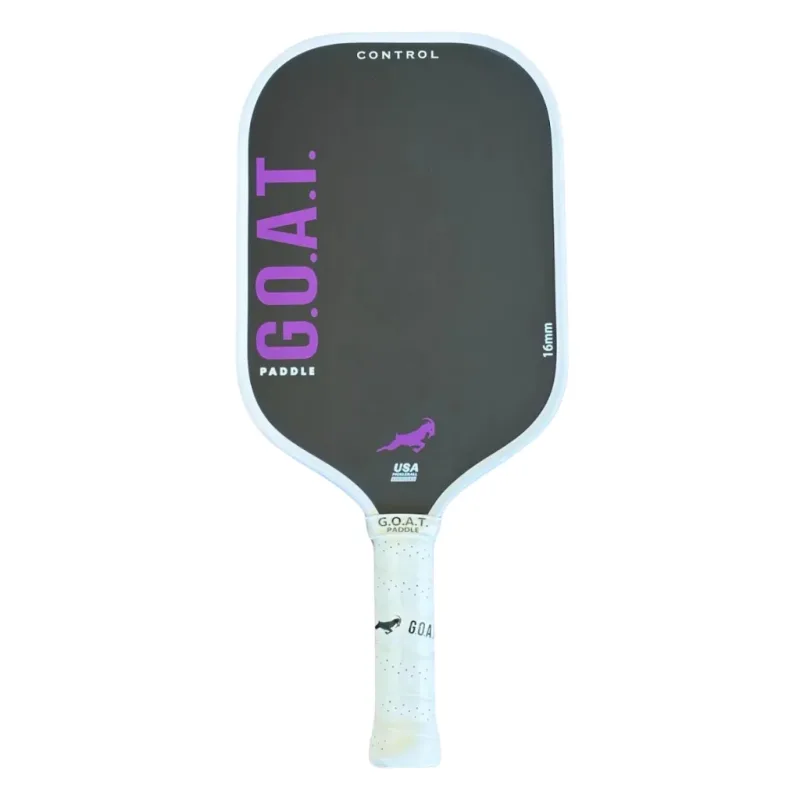
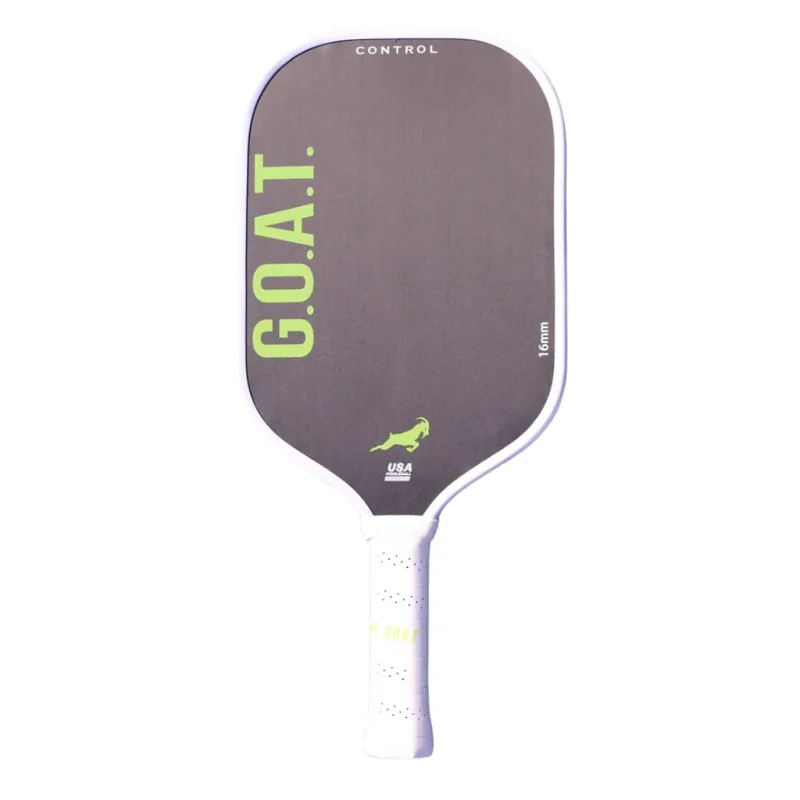
A thicker core, like the one in the Stealth Control 16mm Pickleball Paddle, compresses more on impact. That compression does two things: it slows the ball down slightly on the exit and it gives you a fraction more time to shape the shot. Dinks stay low. Resets from mid-court don't sail long. If you've ever watched a ball fly off your paddle during a defensive exchange, a 16mm core is often the fix.
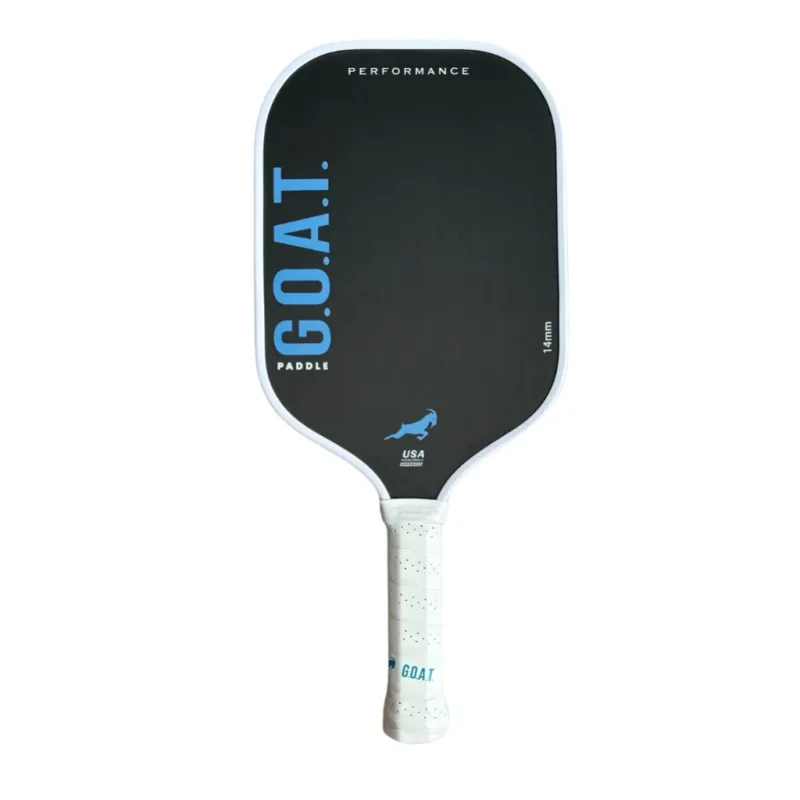
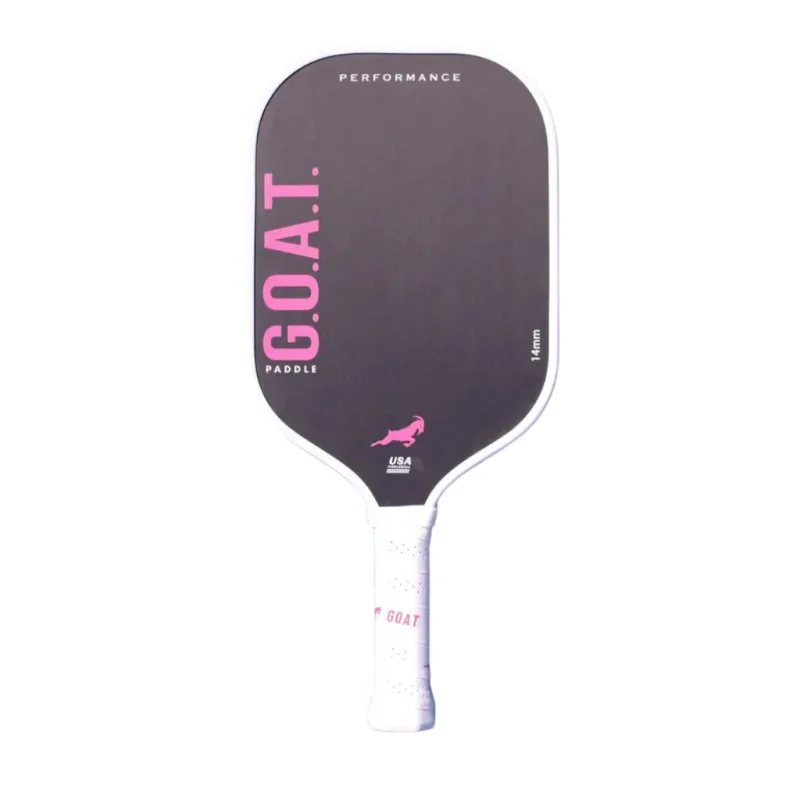
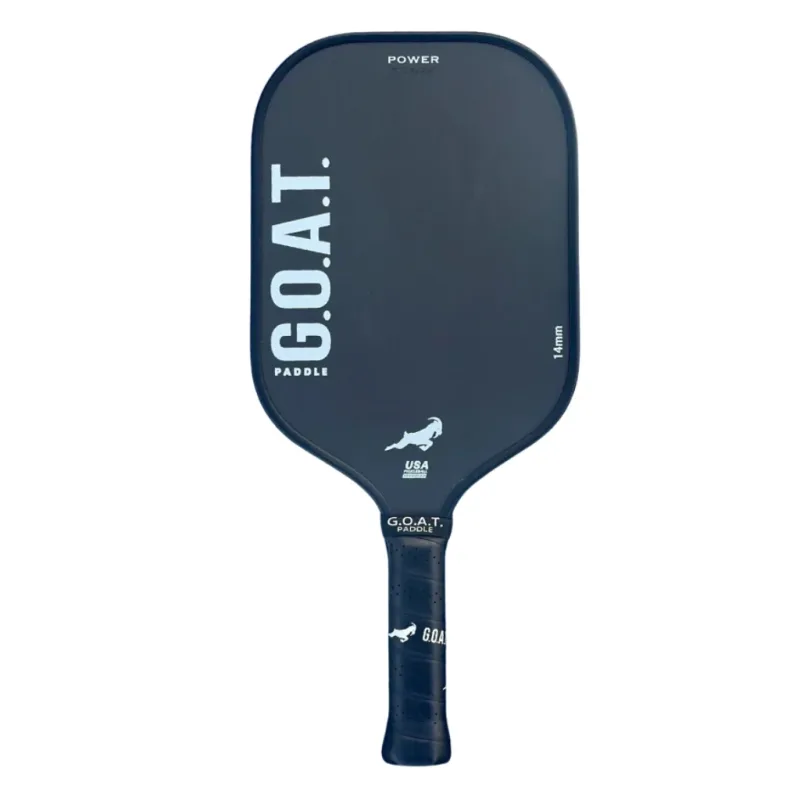
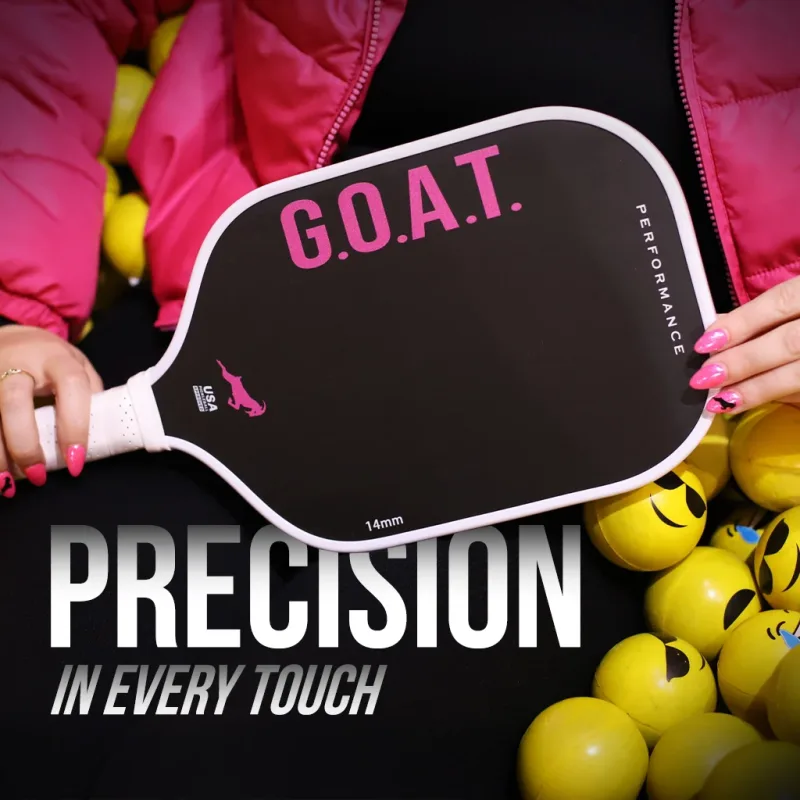
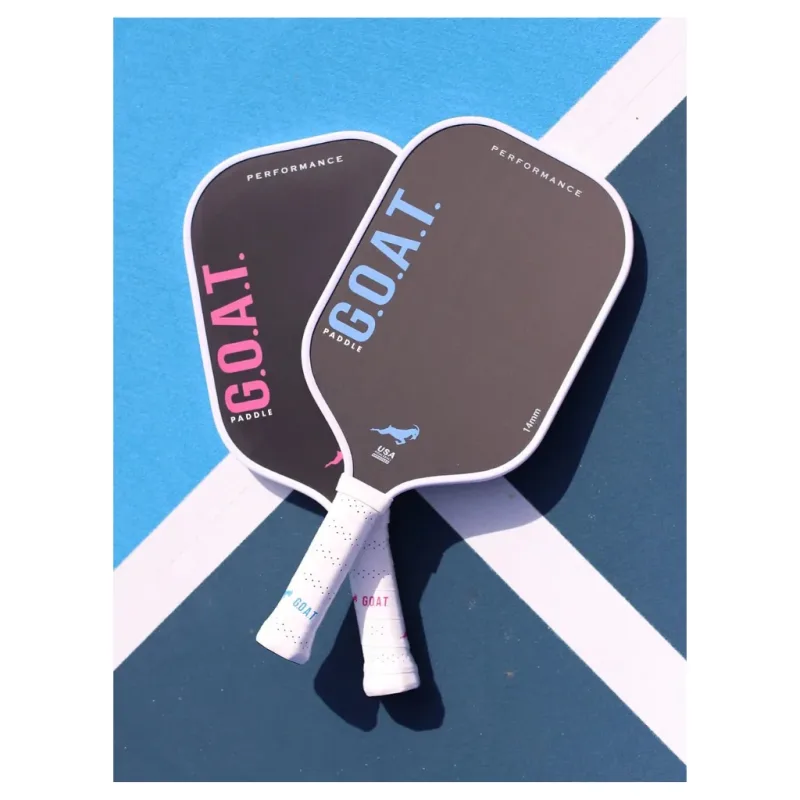
The Performance 14mm Pickleball Paddle goes the other direction. Less material means less absorption, so the ball rebounds faster. Drives feel sharper. Counterpunches at the kitchen line arrive before your opponent finishes their follow-through. The trade-off is touch — soft hands take more practice when the face is this lively.
Which One Fits Your Game Right Now
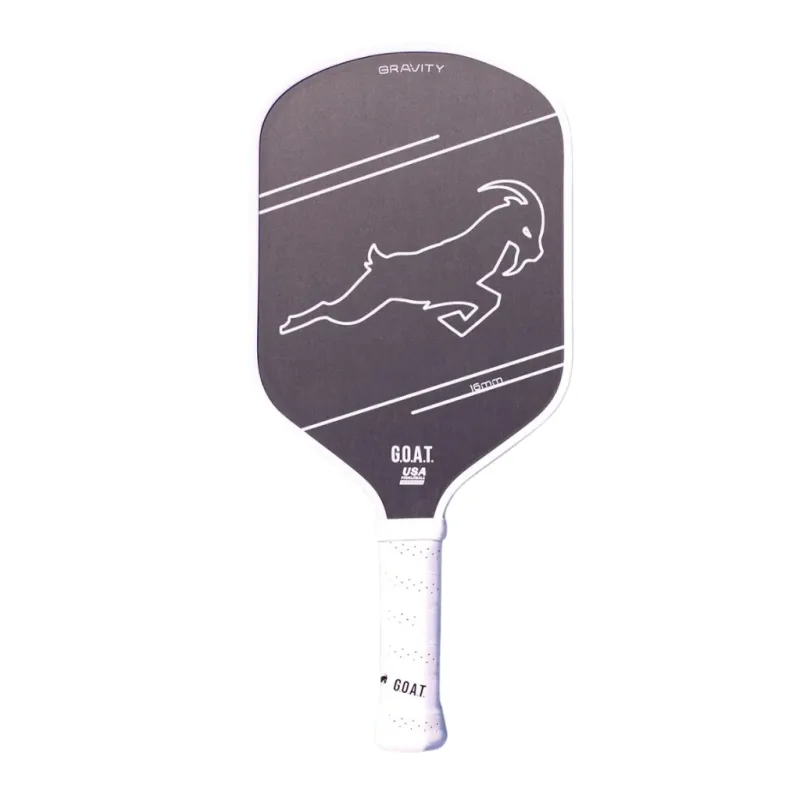
- New to the sport? Start with thickness. The Gravity 16mm New Player Pickleball Paddle gives you a forgiving face while you learn to control the ball instead of just surviving rallies.
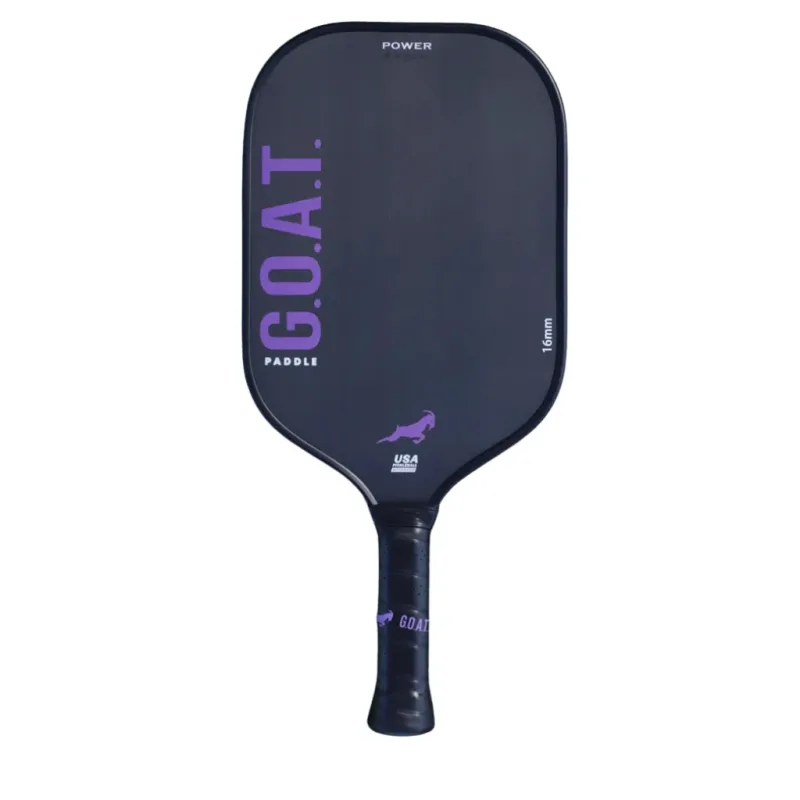
- Chasing power? The Stealth Power Pickleball Paddle is built for players who already have consistent mechanics and want the ball to jump off the face.
- All-court tweener? The All Court Control 16mm Pickleball Paddle sits in the middle ground — enough pop to attack, enough dwell time to defend.
Where Foam Fits In
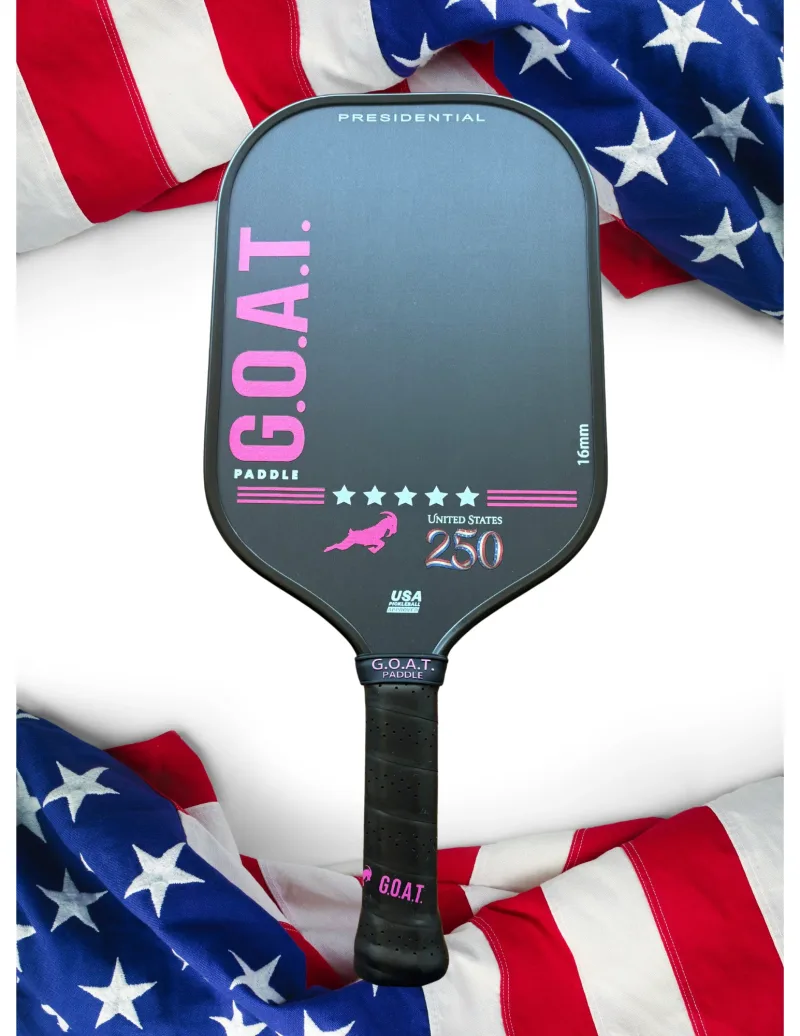
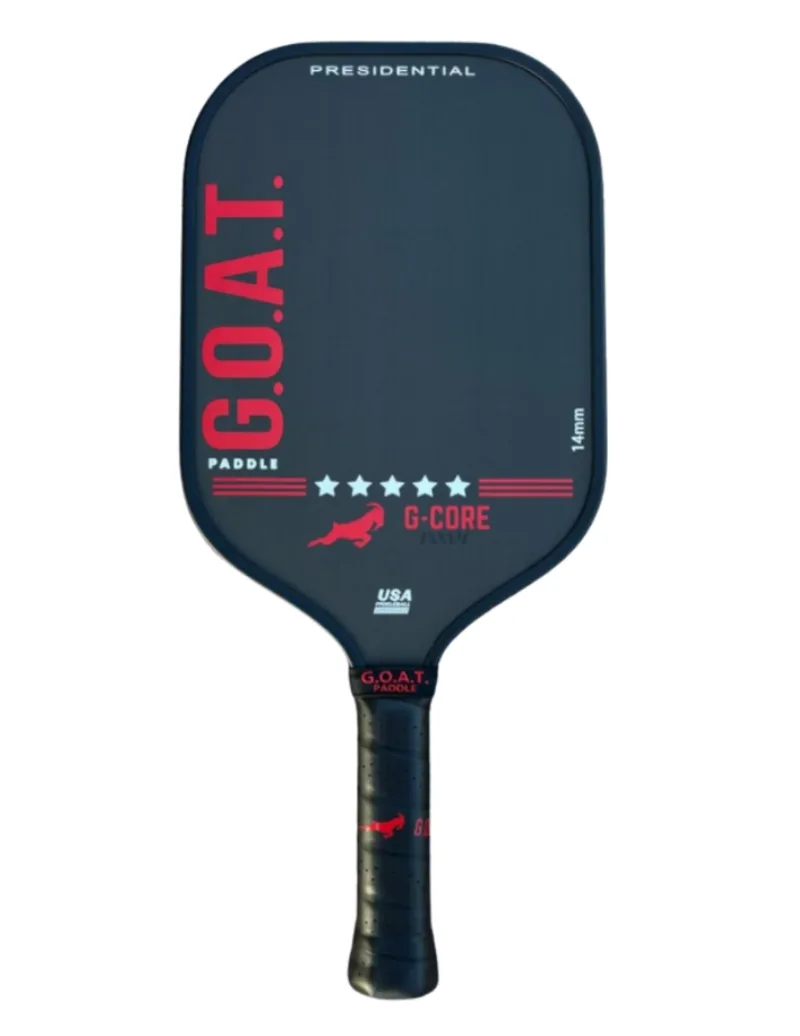
Honeycomb cores aren't the only option anymore. Foam-filled paddles change the equation because the material distributes weight and dampens vibration differently than a polypropylene grid. The Presidential All Foam Pickleball Paddle and the Anti Gravity All Foam Pickleball Paddle both lean into that quiet, stable feel. If your elbow complains after long sessions, foam is worth testing before you blame your swing.
One thing I've noticed: foam paddles tend to feel heavier in the hand even when the scale says otherwise, because the weight sits differently. Give yourself a full week before judging.
Testing Both Without Buying Twice
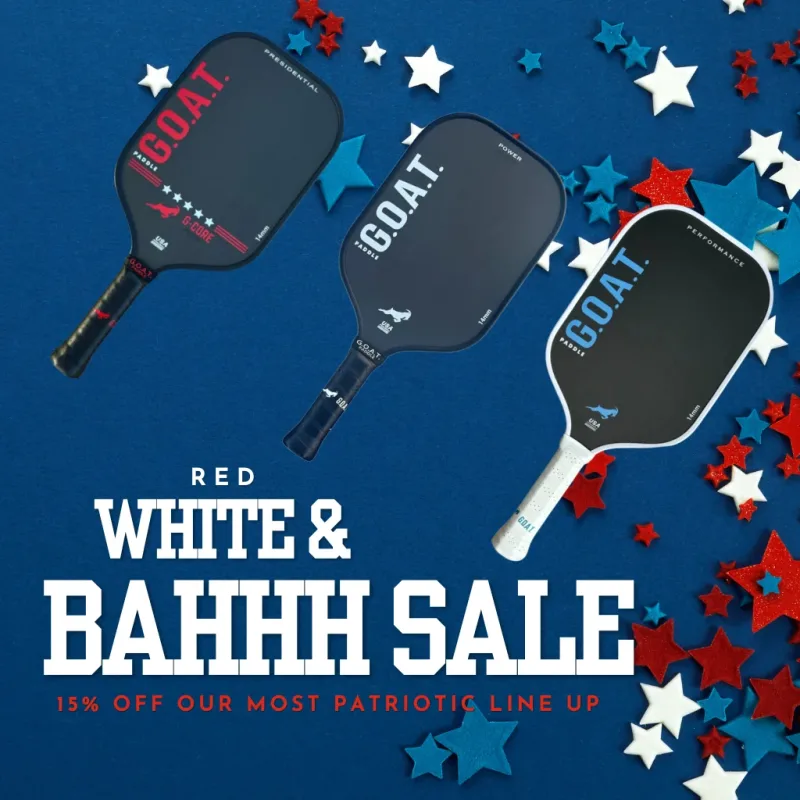
The honest answer to "16mm or 14mm?" is that you probably won't know until you play a few games with each. That's where a bundle makes more sense than a single purchase. The His and Hers Performance Paddle Bundle lets two players split the cost and swap paddles mid-session, which is the fastest way to feel the contrast. The USA GOAT Pack — Red, White & BAHHH Pickleball Paddle Bundle does something similar for players who want a backup ready when a paddle gets too hot in the car.
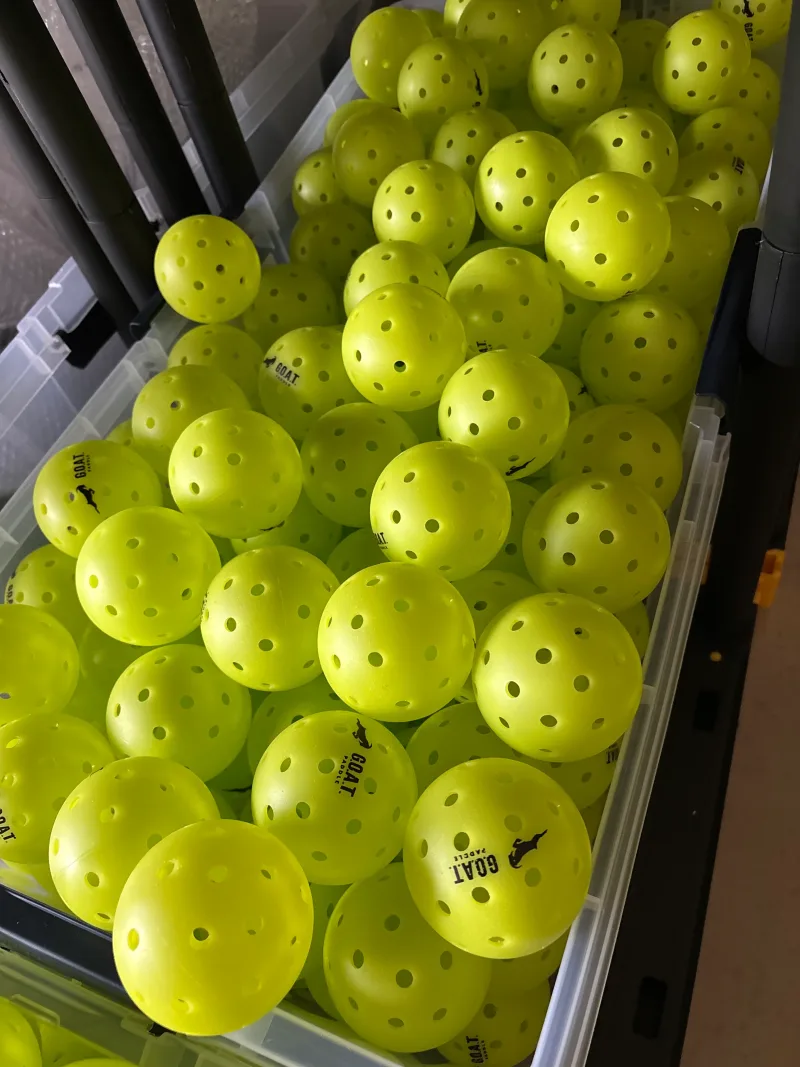
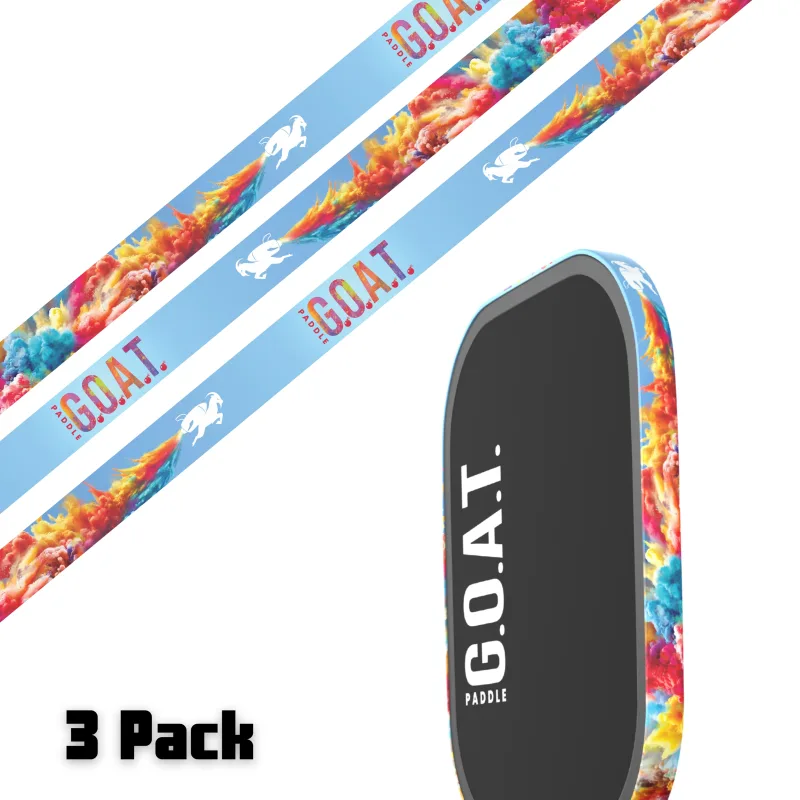
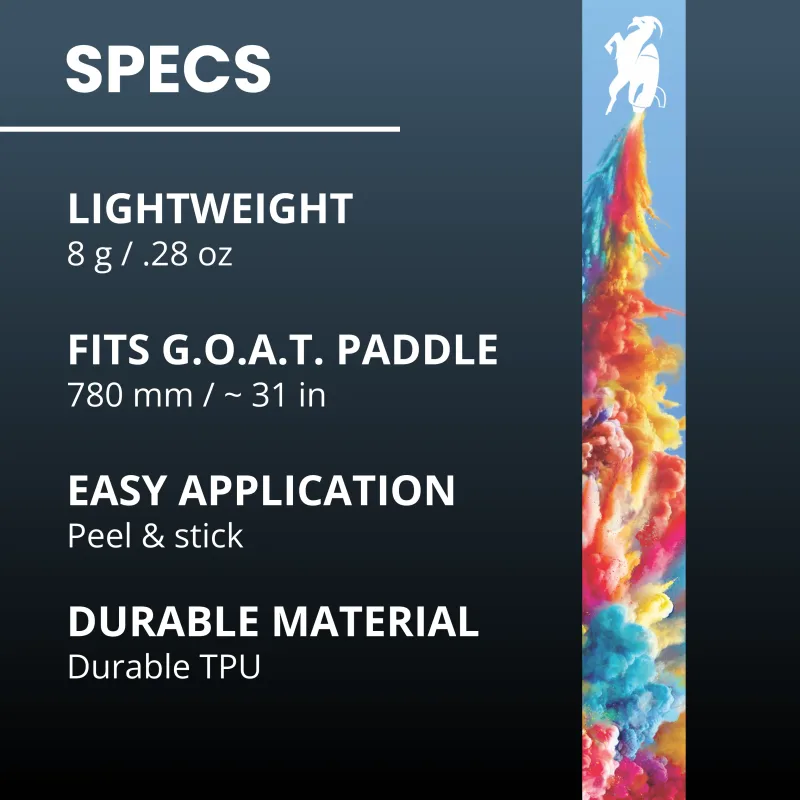
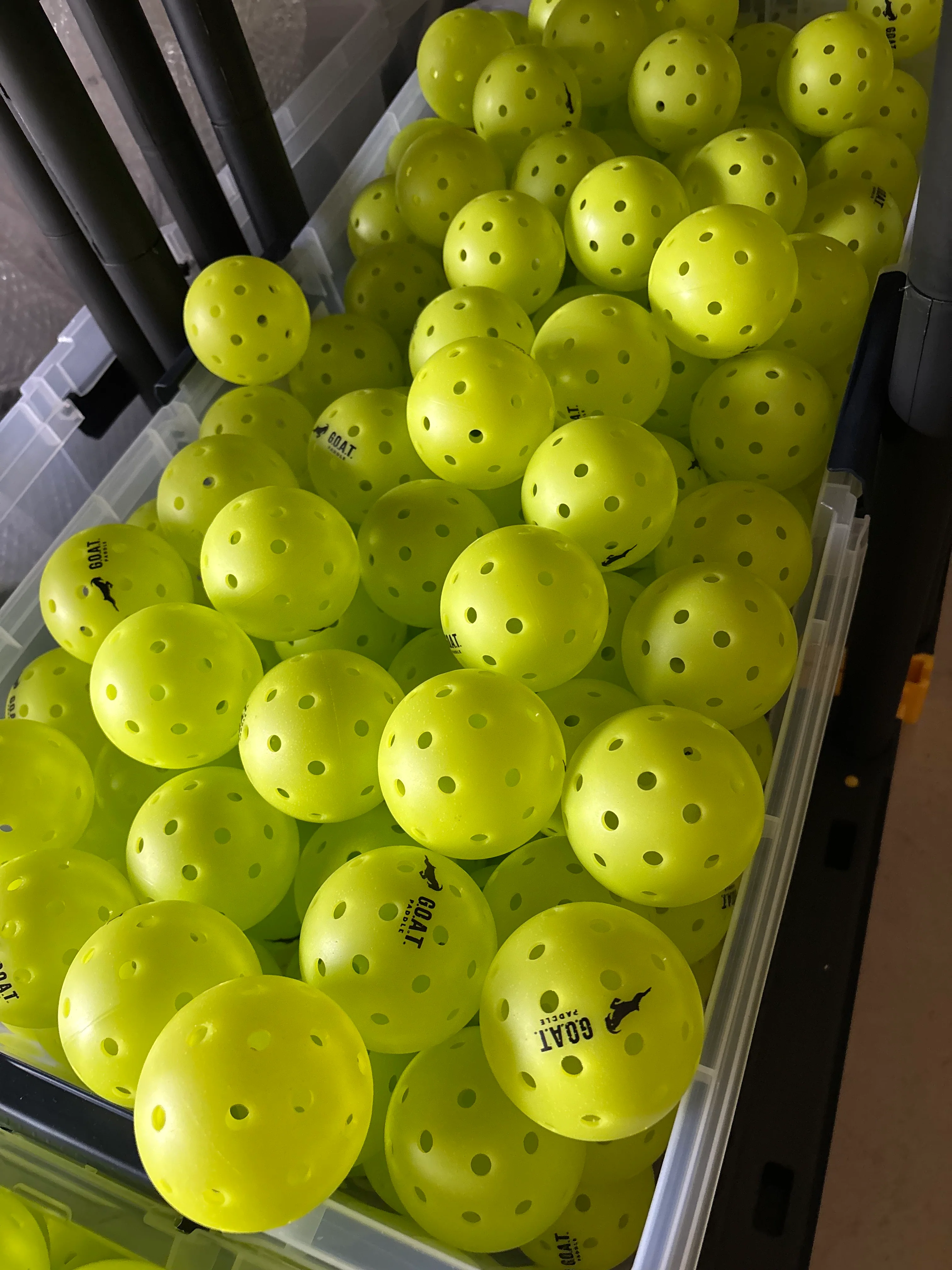
If you're testing outdoors, grab a fresh tube of G.O.A.T. Paddle Outdoor Ball — worn balls mask the differences you're trying to feel. And keep a roll of BAHHHMBER Edge Tape (3 pack) - Pickleball Paddle Edge Tape in your bag, because a 16mm paddle that's been dragged across a court surface plays nothing like it did on day one.
The Two-Millimeter Rule of Thumb
If you lose more points to unforced errors than to being outhit, go thicker. If you win rallies but can't finish them, go thinner. That's the whole decision, really. Everything else — brand, graphics, grip size — is secondary to matching the core to the way you actually play on a Tuesday night.