Why Paddle Core Thickness Matters for Your Game
Walk into any pickleball court and you will hear players debating paddle thickness within minutes. The reason is simple: the thickness of a paddle's core shapes nearly everything about how it plays. A thicker core means more material between the two faces, which changes how the paddle absorbs energy, how long the ball stays on the surface, and how forgiving the sweet spot feels.
Most modern paddles fall into two categories: 14mm and 16mm. Neither is objectively better. The right choice depends on your playing style, your hand speed, and how much control you need around the kitchen line. This guide breaks down the differences so you can pick the paddle that matches your game instead of guessing.
14mm Paddles: More Power, Faster Hands
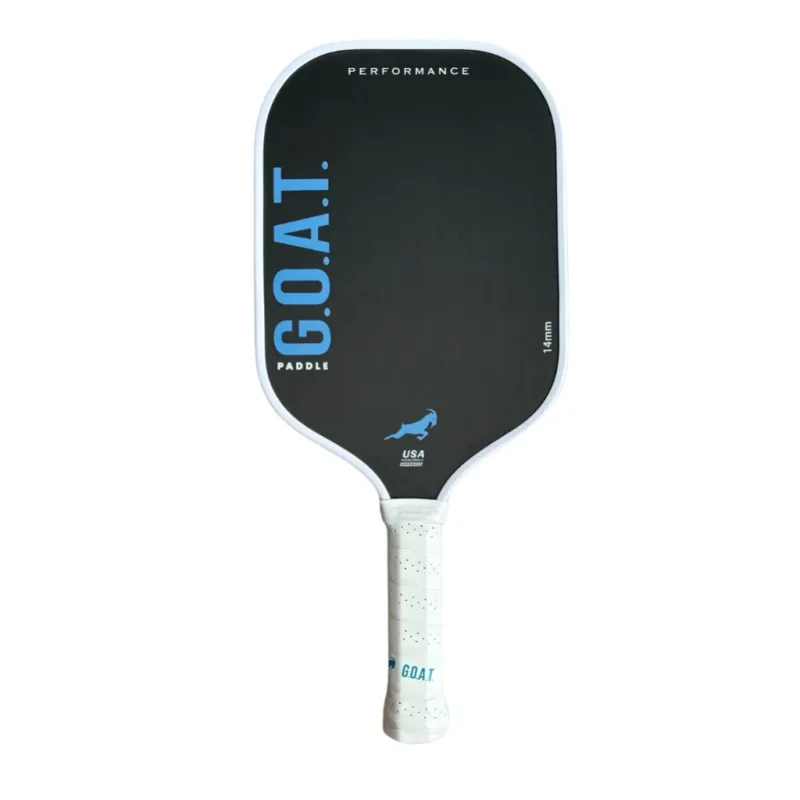
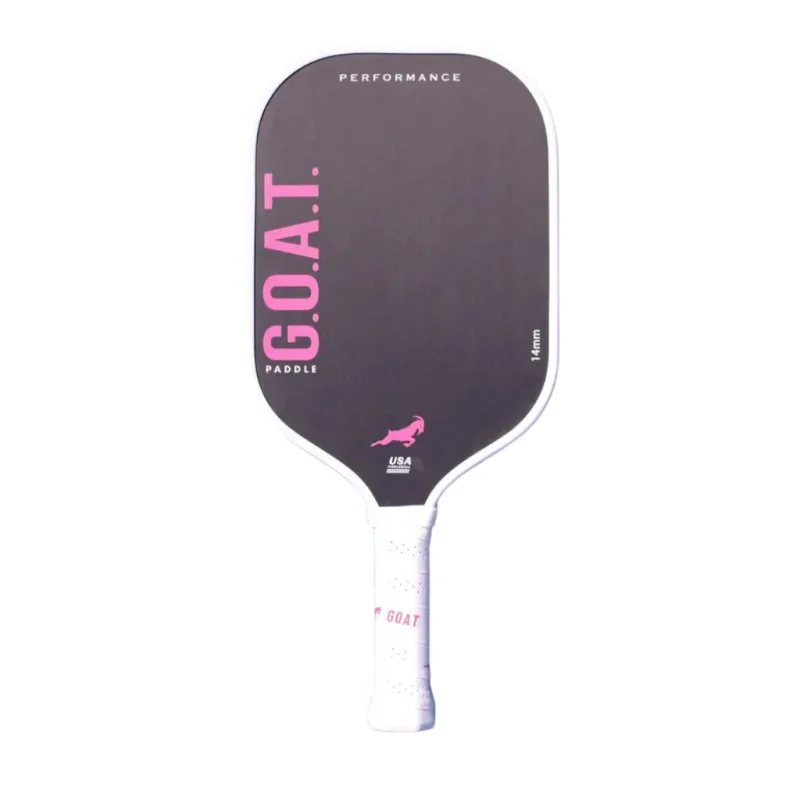
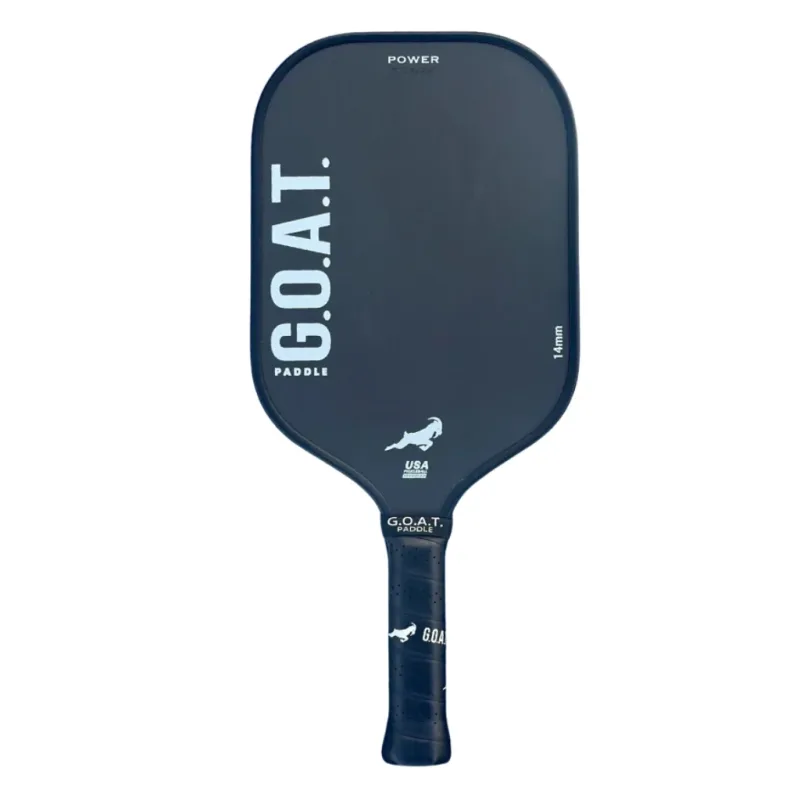
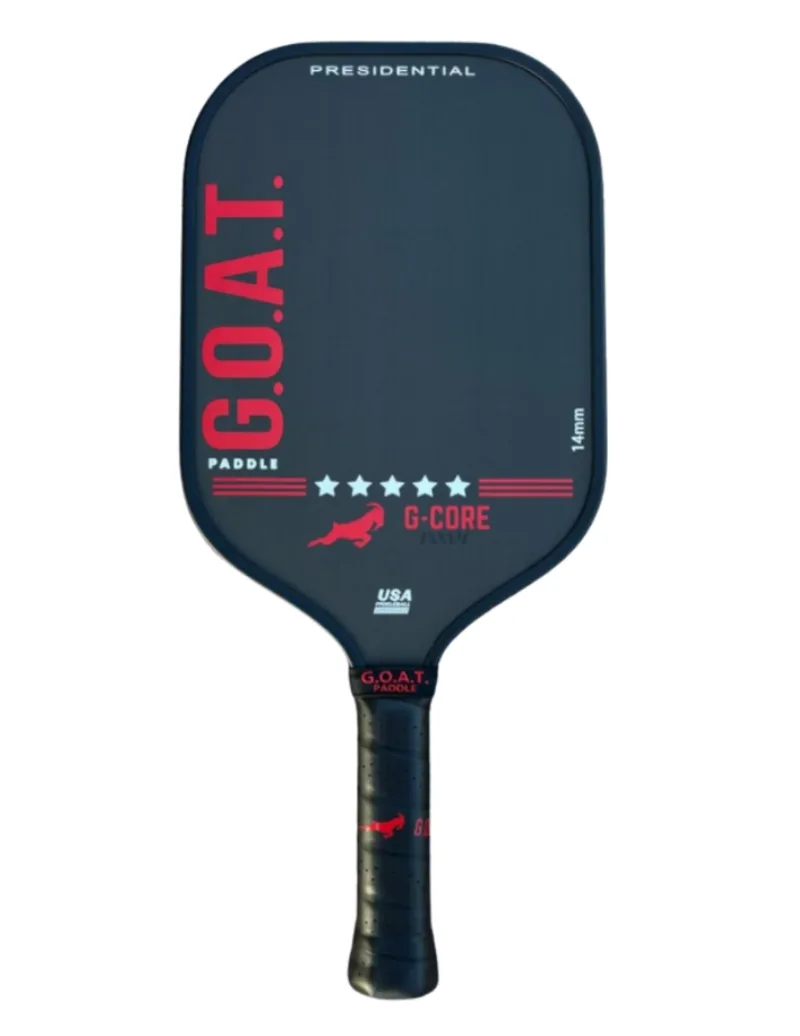
A 14mm core is thinner, which makes the paddle feel crisper and more responsive. When you strike the ball, the thinner core flexes less and transfers energy more directly, giving you a livelier pop on drives, serves, and put-aways. That extra pop can be a real weapon if you like to dictate points from the baseline.
Thinner paddles also tend to be lighter and more maneuverable. At the net, where split-second reactions decide rallies, that quickness matters. Players who rely on fast hand battles and aggressive counter-attacks often prefer the snappy feel of a 14mm model like the Performance 14mm Pickleball Paddle or the Stealth Power Pickleball Paddle.
The trade-off is forgiveness. A thinner core produces a smaller sweet spot, so off-center hits lose more energy and control. If you are still grooving your mechanics, a 14mm paddle can punish mishits more than a thicker option would.
16mm Paddles: Control, Forgiveness, and Spin
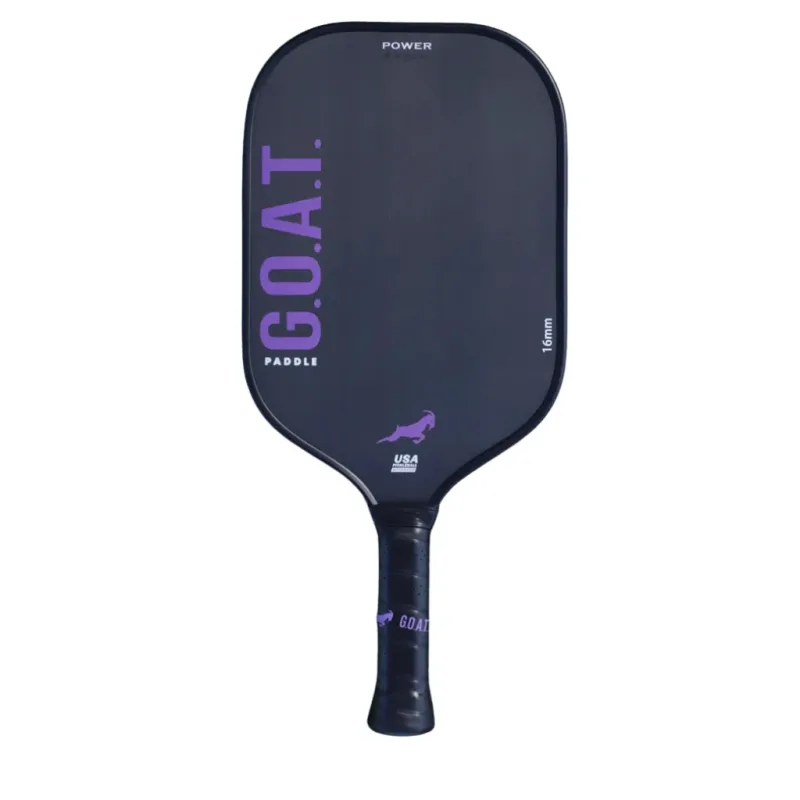
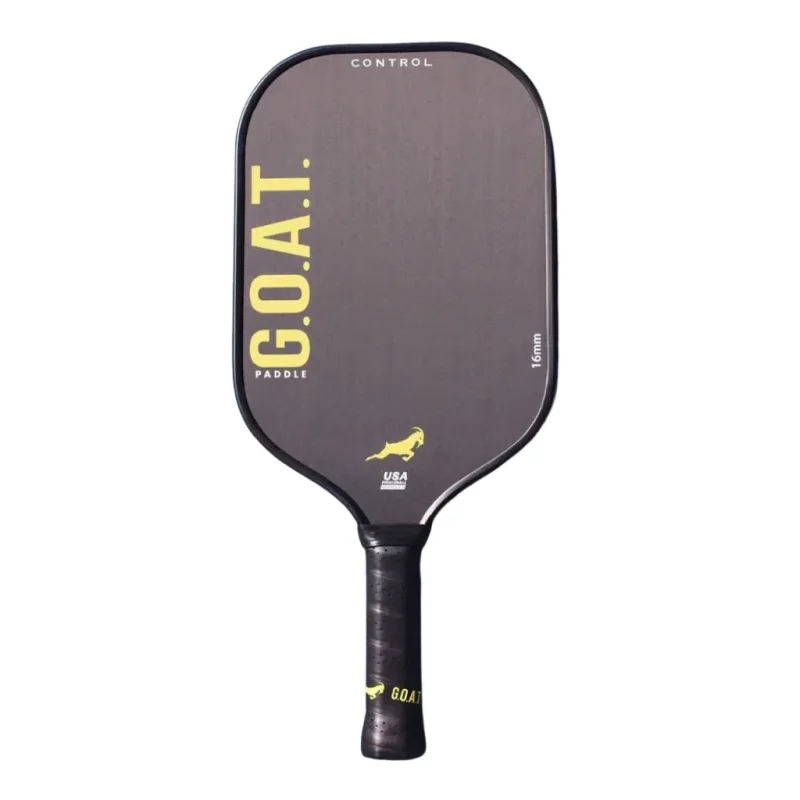
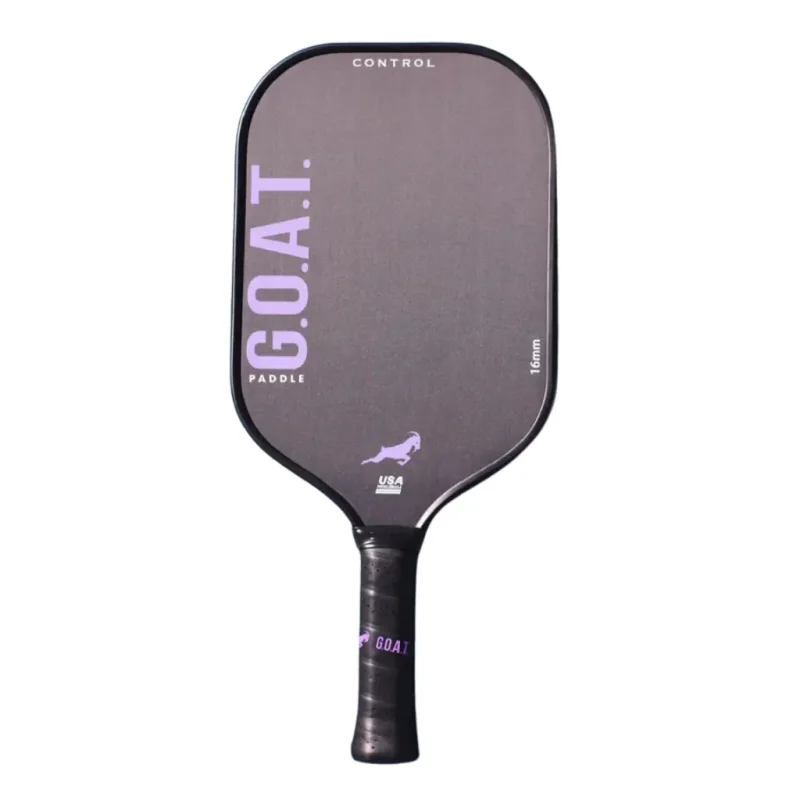
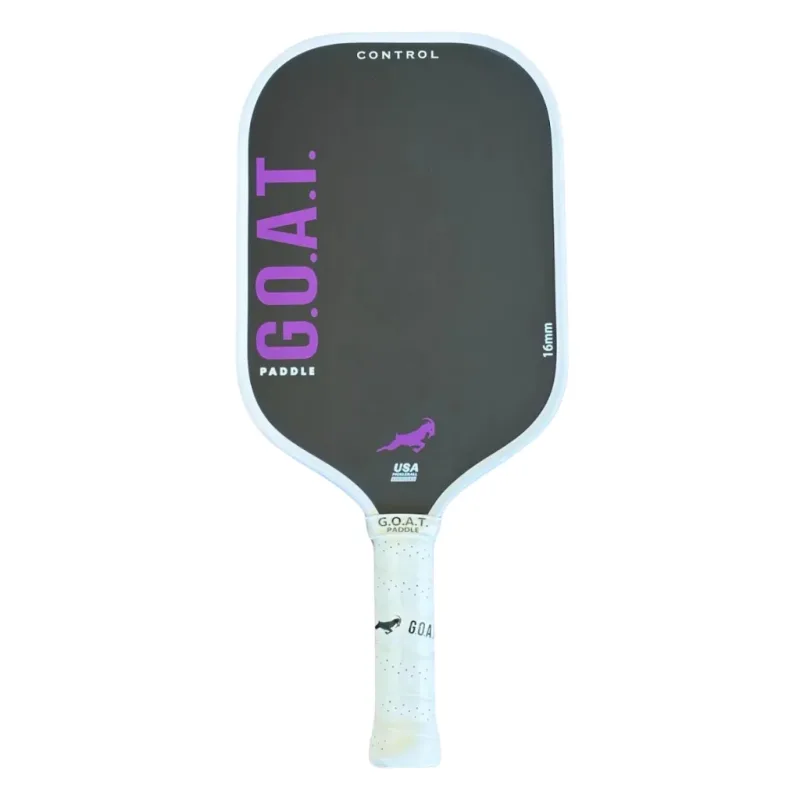
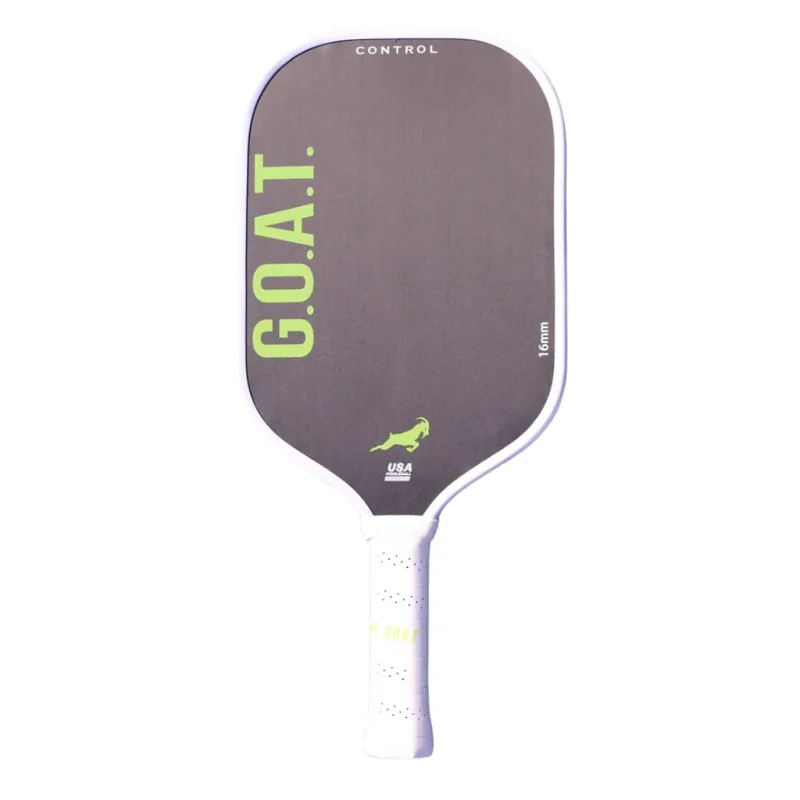
A 16mm core gives you a thicker, softer hitting surface. The ball stays on the paddle face a fraction longer, which lets you absorb pace, place shots with precision, and generate spin more easily. For dinking, resets, and third-shot drops, that extra dwell time is a genuine advantage.
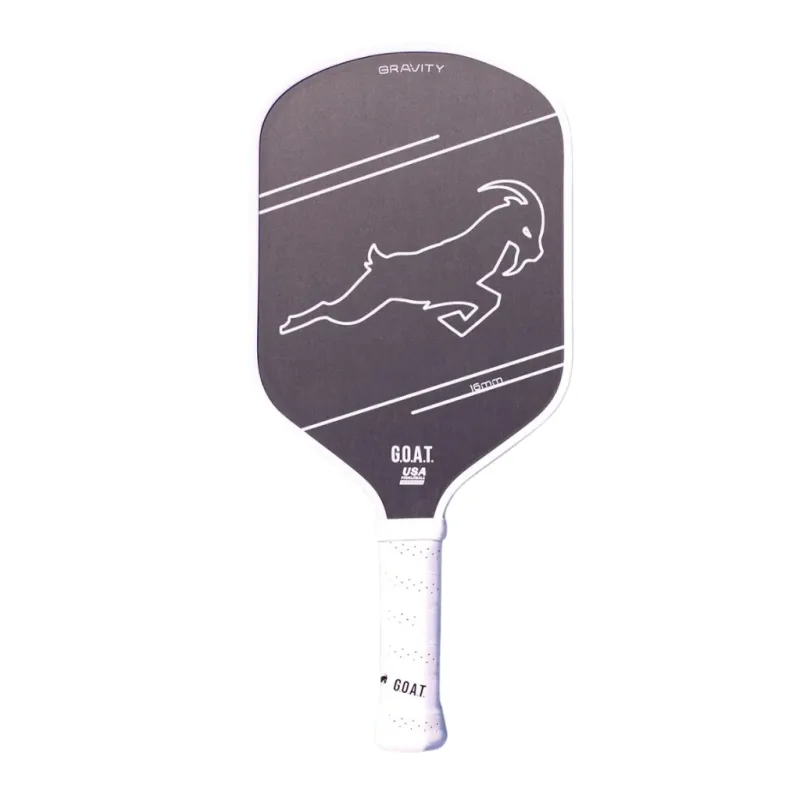
The larger sweet spot is the other big benefit. Off-center contact still feels stable, which builds confidence for newer players and helps experienced players survive hard-driven balls. If your priority is consistency rather than raw power, a 16mm paddle is usually the smarter pick. Good examples include the Stealth Control 16mm Pickleball Paddle, the All Court Control 16mm Pickleball Paddle, and the budget-friendly Gravity 16mm New Player Pickleball Paddle.
The downside is a slightly heavier, slower feel. Some players find 16mm paddles less explosive on drives, though many offset that with weight distribution and technique.
All Foam vs Honeycomb Cores: What Beginners Should Know
Thickness is only part of the story. The material inside the core matters too. Traditional honeycomb cores use a polymer structure that creates a firm, predictable response. All-foam cores, by contrast, fill the interior with foam, which produces a dampened, plush feel and an exceptionally large sweet spot.
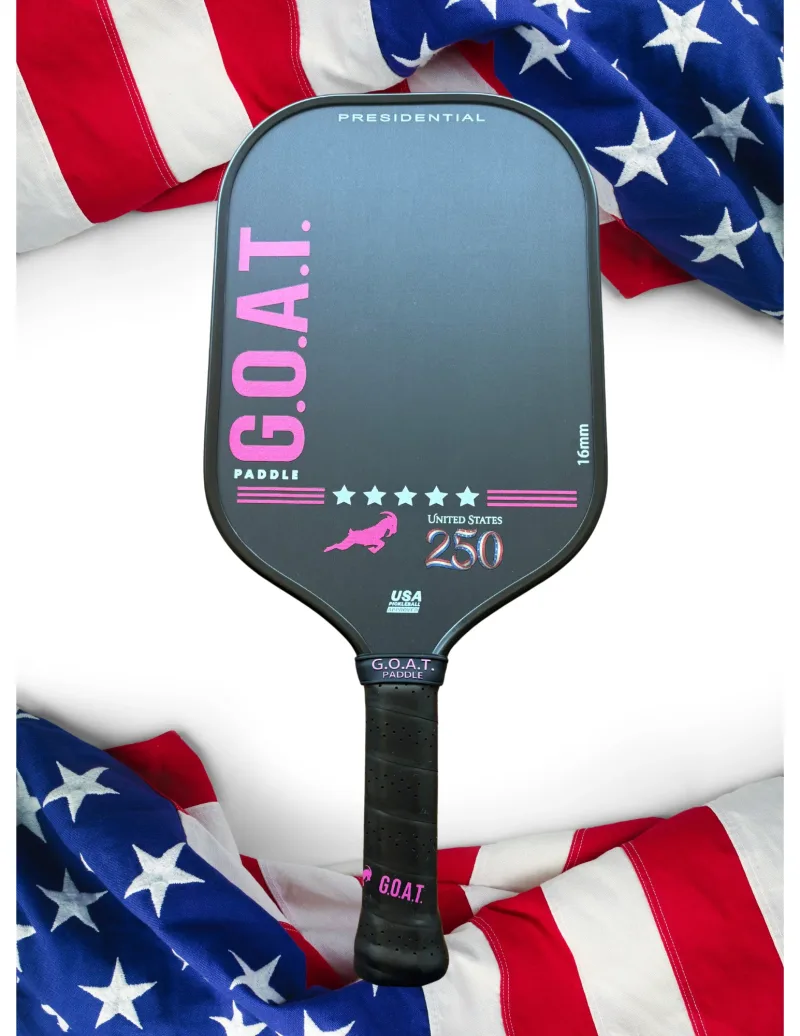
All-foam paddles are popular with players who want maximum forgiveness and reduced vibration, especially those with elbow or wrist sensitivity. Models like the Presidential All Foam Pickleball Paddle and the Anti Gravity All Foam Pickleball Paddle showcase this approach. If you are brand new to the sport, an all-foam design can make the learning curve gentler.
How to Choose: Matching Thickness to Your Playing Style
Use these guidelines to narrow down your options:
- Choose 14mm if you want power, quick hands at the net, and you are comfortable hitting the center of the paddle.
- Choose 16mm if you value control, spin, and forgiveness, or if you are still developing consistency.
- Choose all foam if vibration reduction and a huge sweet spot matter most to you.
- Consider a starter set if you are buying for a household or a group of new players.
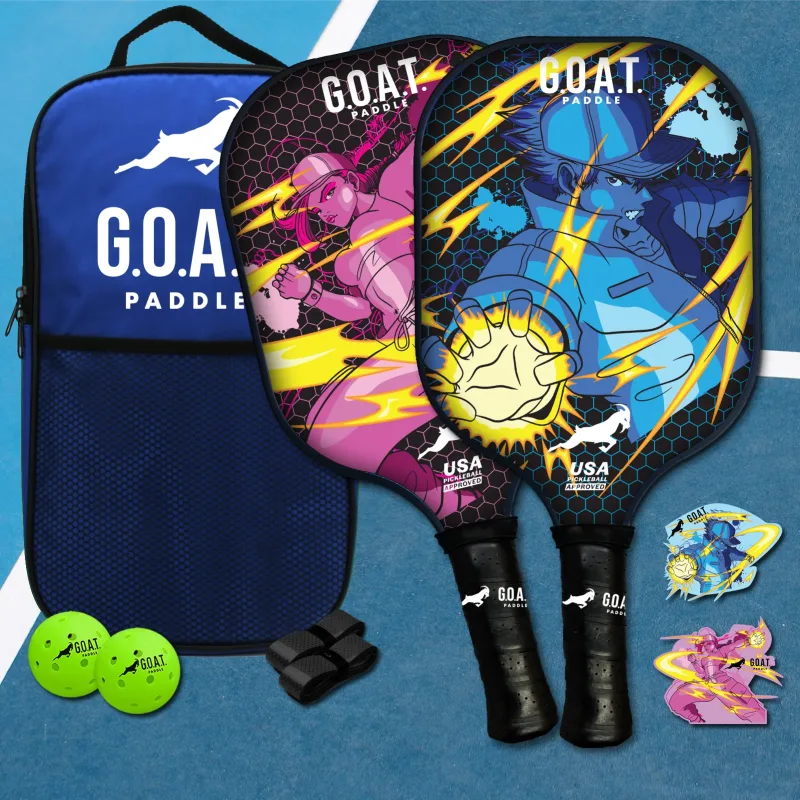
Starter bundles take the guesswork out of gear shopping because they pair paddles with the essentials. The Family Pickleball Starter Bundle and the G.O.A.T. Paddle Anime Otaku Pickleball Starter Set are both solid entry points for players who want to get on the court fast.
Whichever thickness you choose, remember that technique and practice matter more than any spec sheet. Test a few options, notice how each one feels in your hand, and let your own game decide. The best paddle is the one that makes you want to play more.